Calendar
Productivity- Category Productivity
- Size 31.17 MB
- Requirements Android 4.4 and up
- Downloads 860,000,000+
- Package Name com.calendar.schedule.event
- Content Rating Everyone
About Calendar App Feature
Calendar apps are essential digital tools designed to streamline time management and scheduling. These applications transform smartphones and computers into powerful personal assistants, enabling users to organize their lives with precision. By integrating seamlessly across devices and platforms, modern calendar apps offer more than just date tracking—they provide a centralized hub for coordinating appointments, setting reminders, and planning long-term objectives. Their intuitive interfaces make complex scheduling accessible to everyone, from students to corporate executives. As foundational productivity software, calendar apps have evolved to include collaborative features, smart suggestions, and cross-platform synchronization, establishing themselves as indispensable tools in both personal and professional contexts.
Chapter 1: Function
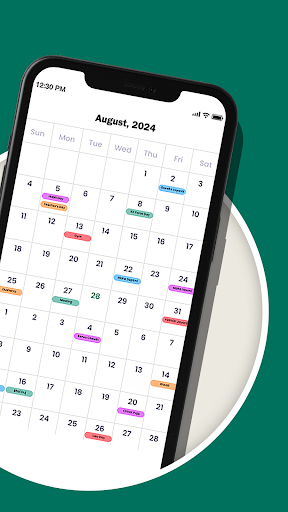
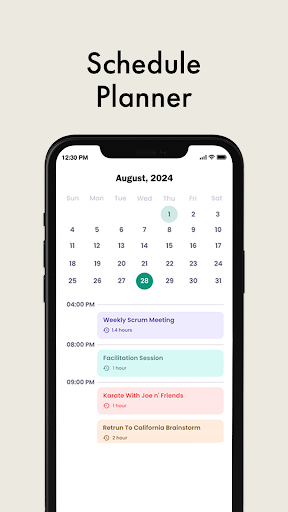
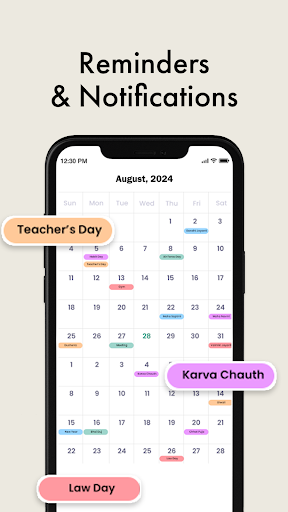
Calendar apps serve as comprehensive scheduling platforms with multiple core functions. The primary feature is event creation and management, allowing users to input appointments, meetings, and deadlines with customizable details including time, location, and participants. Most applications offer recurring event options for regular commitments. Another essential function is reminder systems that provide timely notifications through push alerts, emails, or SMS. Calendar apps typically include multiple view options such as daily, weekly, monthly, and agenda layouts to accommodate different planning preferences. They support calendar synchronization across multiple devices and platforms, ensuring schedule consistency. Many applications integrate with email clients to automatically detect and add events from messages. Additional functionalities often include time zone support for international scheduling, invitation management for group events, and task integration that links calendar entries with to-do items. These combined features create a cohesive system for complete temporal organization.
Chapter 2: Value
The fundamental value of calendar applications lies in their ability to create organizational efficiency and reduce cognitive load. By externalizing scheduling information, these apps free mental resources for more important tasks while ensuring no critical dates are overlooked. This creates significant time savings through automated reminders and streamlined planning processes. Calendar apps deliver particular advantage through their integration capabilities, connecting with email platforms, contact lists, and other productivity tools to create a unified ecosystem. The cross-device synchronization ensures schedule accessibility regardless of location or device used. For teams and families, shared calendars provide transparent coordination, eliminating scheduling conflicts and redundant communications. Advanced calendar applications now incorporate artificial intelligence to suggest optimal meeting times, automate scheduling based on preferences, and provide analytics on time allocation patterns. The cumulative benefit is enhanced productivity through reduced administrative overhead, improved time awareness, and better long-term planning capabilities. These applications ultimately serve as personal efficiency engines that help users achieve more with their available time while minimizing scheduling-related stress. The organizational clarity provided by systematic calendar use translates directly to improved reliability, punctuality, and overall effectiveness in both professional and personal contexts.
Chapter 3: Scenarios
Calendar applications serve diverse user groups across numerous daily scenarios. Professionals and corporate teams rely on them for meeting scheduling, deadline tracking, and resource allocation, with shared calendars enabling seamless coordination across departments. Students utilize these apps to manage class schedules, assignment due dates, and examination periods while balancing extracurricular activities. Families employ shared calendars to coordinate household activities, children's events, and appointments, creating visible family schedules accessible to all members. Freelancers and entrepreneurs depend on calendar apps to manage client meetings, project timelines, and business development activities across multiple time zones. Common use cases include scheduling medical appointments with automatic reminder systems, planning social gatherings with invitation features, blocking focused work time to enhance productivity, and tracking recurring commitments like exercise classes or religious services. Travelers benefit from time zone adaptation features when planning itineraries across different regions. In educational settings, teachers use calendar applications to plan curriculum schedules and coordinate with parents. The universal need for temporal organization makes calendar apps relevant to virtually every demographic, with specific features tailored to particular user requirements across these varied scenarios.