Shmoody
Health & Fitness- Category Health & Fitness
- Size 101.8 MB
- Requirements Android 0 and up
- Downloads 900,000,000+
- Package Name com.yc14ec100daa.www
- Content Rating Everyone
About Shmoody App Feature
Shmoody is a modern mobile application designed to support emotional well-being and mental health tracking. It serves as a personal mood journal and wellness companion, helping users monitor their emotional states, identify patterns, and develop greater self-awareness. By combining intuitive mood logging with insightful analytics, Shmoody offers a structured yet flexible approach to understanding daily emotional fluctuations. The app provides a private, supportive space for users to reflect on their feelings, track factors influencing their mood, and access resources to foster better mental health habits. Its user-centric design focuses on simplicity and empathy, making emotional tracking an accessible and valuable daily practice for anyone interested in enhancing their psychological well-being.
Chapter 1: Function
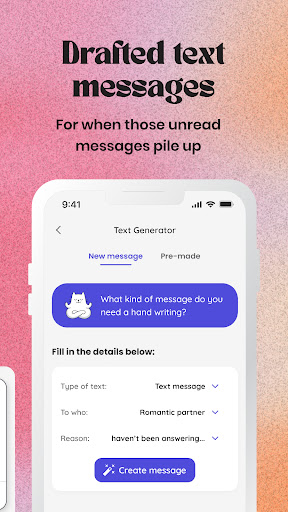
Shmoody's core functionality centers on daily mood tracking and emotional journaling. Users can quickly log their current mood by selecting from a range of emotions, often accompanied by a simple scale or descriptive tags. The app allows for adding brief notes or context about what influenced their mood, such as activities, social interactions, or specific events. Beyond basic logging, it organizes this data into visual timelines and charts, enabling users to see their emotional trends over days, weeks, or months. Some versions may include reminders to log moods, the ability to tag activities correlated with certain feelings, and basic note-taking features for more detailed reflection. This creates a comprehensive digital diary focused solely on capturing the user's emotional landscape in a straightforward, non-intrusive manner.
Chapter 2: Value
The primary value of Shmoody lies in its ability to translate subjective feelings into objective, visual data, empowering users with self-knowledge. By consistently tracking moods, users can move from vague feelings of being 'upset' or 'stressed' to identifying specific triggers, patterns, and even positive influences on their mental state. This data-driven insight is a powerful tool for self-management, helping users recognize early signs of prolonged low moods, understand the impact of lifestyle choices like sleep and exercise, and celebrate periods of wellness. For individuals managing conditions like anxiety or depression, it can provide valuable historical context for discussions with therapists or doctors. The app's key advantage is its role as a passive, non-judgmental observer that fosters mindfulness and emotional intelligence. It encourages a habit of daily check-ins, which alone can be a therapeutic practice, promoting a proactive rather than reactive approach to mental health. Unlike complex journaling apps, Shmoody’s focused design reduces friction, making the beneficial habit of mood tracking easy to maintain long-term. It delivers tangible value by turning introspection into actionable insight, ultimately supporting users in their journey toward improved emotional balance and well-being.
Chapter 3: Scenarios
Shmoody is ideally suited for individuals actively focusing on their personal mental wellness. A primary user group includes people experiencing mild to moderate stress, anxiety, or mood fluctuations who want to understand their emotions better. It is highly beneficial for those undergoing therapy, as it provides a concrete record of their emotional state between sessions, making therapy more effective. Students and young professionals facing academic or work-related pressure can use it to identify stress patterns and manage their well-being. Furthermore, anyone on a journey of self-improvement and mindfulness will find Shmoody a practical tool for cultivating self-awareness. In everyday use, a user might open the app each evening to log their overall mood after a workday, noting that a difficult meeting led to frustration. Over time, they might notice a pattern that their mood dips on Sundays, prompting them to introduce a relaxing Sunday routine. Another user might use it to track mood alongside their menstrual cycle or sleep schedule, uncovering valuable personal correlations that inform healthier lifestyle choices.