Music Instruments Simulator
Music & Audio- Category Music & Audio
- Size
- Requirements Android 0 and up
- Downloads 400,000,000+
- Package Name com.music.instruments.simulator
- Content Rating Everyone
About Music Instruments Simulator Feature
Music Instruments Simulator is a comprehensive mobile application that transforms your smartphone or tablet into a versatile collection of virtual musical instruments. It provides an accessible and portable platform for musicians, hobbyists, and learners to play, practice, and explore music anytime, anywhere. By leveraging advanced touch-screen technology and high-quality audio samples, the app accurately emulates the look, feel, and sound of a wide array of instruments, from pianos and guitars to drums and orchestral sounds. It serves as a powerful tool for creativity, learning, and entertainment, eliminating the need for expensive physical equipment and making music creation more democratic and convenient for everyone.
Chapter 1: Function
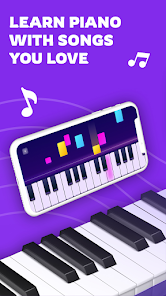
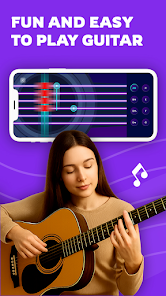
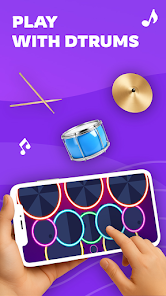
The core function of Music Instruments Simulator is to provide a realistic and responsive emulation of multiple musical instruments. Users can access a diverse library of instruments, including a full piano keyboard with adjustable octaves, various acoustic and electric guitars with strumming and picking mechanics, a complete drum kit with different pads, and wind instruments like saxophones or flutes that often utilize microphone input for breath control. The app features high-fidelity sound samples for authentic audio reproduction. Key functionalities include the ability to record performances, layer different instrument tracks to create multi-part compositions, and utilize built-in metronomes and chord libraries for practice. The interface is designed for intuitive play, with customizable layouts and sensitivity settings to match the user's touch, effectively turning a mobile device into a portable music studio.
Chapter 2: Value
The primary value of Music Instruments Simulator lies in its ability to democratize music creation and practice. It offers significant cost savings by providing access to dozens of instruments for a fraction of the price of their physical counterparts, making it an invaluable resource for beginners exploring their musical interests without a major financial commitment. For experienced musicians, the app serves as a highly portable sketchpad for capturing ideas or practicing silently with headphones. Its educational value is immense; it lowers the barrier to entry for music education, allowing anyone with a smartphone to start learning basic chords, melodies, and rhythm. The key advantages include unparalleled portability, a risk-free environment for experimentation, and a feature set that supports both casual play and serious practice. Unlike many single-instrument apps, its multi-instrument approach fosters a broader understanding of music and encourages cross-instrumental creativity. By integrating recording and composition tools, it adds further value by enabling users to not just play, but also to create and share their own musical pieces, fostering a complete cycle of musical engagement from learning to creation.
Chapter 3: Scenarios
Music Instruments Simulator caters to a diverse range of user groups across various everyday scenarios. Beginner musicians and children are primary targets, using the app for initial exposure to music theory, instrument sounds, and basic playing techniques in a fun, low-pressure setting. Traveling musicians and hobbyists utilize the app during commutes or trips to practice scales, work on song ideas, or simply play for enjoyment without carrying heavy gear. Songwriters and composers use it as a quick tool to prototype melodies and chord progressions for different instruments before moving to a full studio setup. In educational contexts, teachers can use the app in classrooms to demonstrate various instruments or for group activities, especially where budget or space for physical instruments is limited. Even professional musicians might use it for quick reference or as a novel sound source. Common use cases include a commuter composing a tune on the train, a student practicing piano exercises in their dorm room, a parent introducing their child to different instrument sounds, or a guitarist working out a drum beat to accompany a new riff.